From Field to Table: The Importance of High-Quality Food Packaging Materials
Quality food packaging is essential in the journey from field to consumer. It holds a central position in preserving freshness, safety, and flavor. Quality packaging minimizes threats from outside contaminants while also adhering to safety regulations. Additionally, it influences consumer perceptions through transparent labeling. As interest in environmentally responsible options expands, the consequences for both suppliers and end users become more meaningful. Which advancements in packaging technology will influence the future of food delivery?
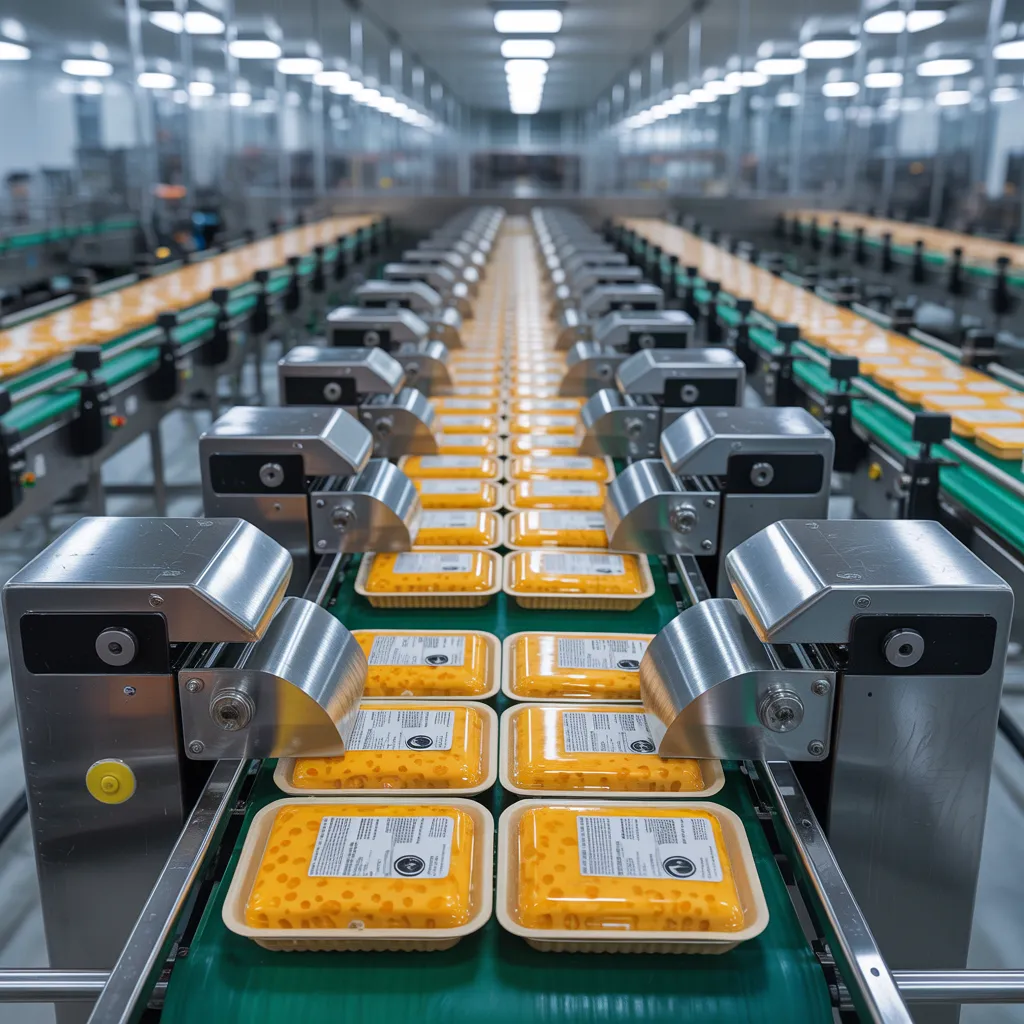
Why High-Quality Food Packaging Is Essential for Freshness
Proper food packaging plays a critical role in keeping products fresh. It serves as the first line of defense against environmental factors that can compromise the quality of food products. Effective packaging materials create a barrier to moisture, oxygen, and light, which are key elements that accelerate spoilage. By utilizing high-quality packaging, manufacturers can extend the shelf life of perishable items, ensuring that consumers receive products that are not only safe to eat but also retain their intended flavor and texture.
In addition, properly engineered packaging can enable optimal storage conditions, additionally maintaining freshness. To illustrate, vacuum-sealed packages can limit air exposure, while modified atmosphere packaging can control gas concentrations inside the container. All things considered, choosing quality food packaging is essential for protecting the integrity of food products from production to consumption, ultimately serving both producers and consumers alike.
Food Packaging: Ensuring Safety and Compliance
Maintaining safety and regulatory compliance in food packaging is critical for protecting consumer health and upholding industry regulations. Food packaging is required to meet stringent regulations set by organizations like the FDA to mitigate risks related to contamination or spoilage. This involves using materials that are safe for food contact, as well as providing appropriate product labeling that educates consumers regarding potential allergens and product ingredients.
Manufacturers are required to conduct thorough evaluations to confirm that packaging components do not contaminate food products with hazardous materials. Moreover, adhering to hygiene requirements throughout the packaging procedure is essential to avoid cross-contamination risks. Routine audits and inspections support the upkeep of these requirements, fostering consumer trust in food products.
Ultimately, adherence to safety regulations not only safeguards public health but also enhances brand reputation, encouraging consumers to choose products that prioritize quality and compliance. Such a commitment is fundamental to ensuring a sustainable food supply chain.
The Importance of Sustainable Materials in Food Packaging
As more consumers grow conscious of eco-friendly concerns, the need for eco-friendly materials in food packaging has increased significantly. This trend highlights a widespread effort to decrease the plastic pollution and carbon emissions linked to conventional packaging practices. Green packaging materials, such as compostable plastics, recycled paper, and plant-based solutions, deliver both environmental advantages and greater appeal to conscious consumers.
Adopting sustainable packaging not only decreases the ecological footprint but also promotes mindful consumption habits. Companies that prioritize these materials exhibit a pledge to eco-friendly practices, which can resonate with eco-minded customers. Additionally, eco-friendly packaging frequently corresponds with regulatory trends aimed at reducing waste and promoting recycling initiatives.
Including eco-friendly materials into food container solutions is more than just a trend but a critical step toward a greener future. As the market evolves, the attention on sustainable alternatives will probably continue to shape sector benchmarks and consumer expectations, ultimately influencing consumer choices.
The Way Sustainable Packaging Innovations Build Consumer Trust
Green packaging developments strongly affect buyer confidence by employing environmentally responsible materials that resonate with environmentally conscious buyers. Openness about sourcing and production processes enhances brand loyalty, as buyers more frequently demand responsibility from brands. Moreover, innovative design solutions not only capture interest but also solidify a pledge to environmental responsibility, consistently reinforcing customer assurance.
Sustainable Materials Impact
An increasing number of consumers place importance on eco-friendly options in their purchasing decisions, reflecting a significant movement towards environmental responsibility. This shift has driven packaging producers to innovate with recyclable, biodegradable, and compostable materials. These innovations not only reduce ecological footprint but also meet the needs of consumers for responsible sourcing. Companies adopting these sustainable practices often enjoy a market edge, as eco-conscious consumers are more likely to endorse and favor them. Moreover, the use of sustainable resources can enhance product appeal, communicating a dedication to ecological responsibility. As organizations adopt these innovations, they contribute to a larger collective effort promoting sustainability, cultivating a shared identity among consumers who champion responsible purchasing.
Transparency Drives Brand Loyalty
Confidence stands as a pillar of consumer-brand relationships, most notably in an age where transparency is increasingly valued. Green packaging developments have emerged as a critical factor in cultivating this credibility. By adopting environmentally conscious materials and clear labeling, companies express their dedication to responsible practices and ecological stewardship. Customers tend to connect more readily with businesses that clearly share origin and production details, strengthening their feeling of affiliation. This clarity not only affects purchasing behavior but also cultivates long-term loyalty, as customers feel aligned with brands that embody their beliefs. As eco-consciousness emerges as a defining element in buyer preferences, brands that emphasize clear packaging will probably experience greater confidence and deeper connections with their customers.
Creative Design Approaches
Groundbreaking design innovations in food packaging serve a crucial function in building consumer trust. By integrating responsible materials and sustainability-focused practices, brands demonstrate their commitment to both quality and sustainability. Eco-friendly options and refillable containers not only lower waste production but also resonate with eco-conscious consumers, building brand loyalty. Clear packaging designs let consumers observe the product, reinforcing authenticity and product excellence. Furthermore, advanced technology, such as scannable codes, can offer comprehensive details about supply chain and production processes, empowering consumers to make educated purchasing decisions. These advancements jointly establish a strong relationship between brands and consumers, as trust is built upon sustainability and transparency. In the final analysis, progressive design in food packaging can considerably affect consumer views and purchasing habits.
Decreasing Food Waste Via Effective Packaging Design
Strategic packaging design plays a critical role in limiting food waste by utilizing innovative materials and smart solutions. Such developments not only increase product durability but also elevate consumer convenience. By prioritizing functionality and sustainability, packaging can significantly minimize spoilage and improve the overall food experience.
Progressive Packaging Materials
A large share of the food manufactured worldwide is wasted due to insufficient packaging solutions. Revolutionary packaging materials are becoming an essential component in addressing this issue. Biodegradable films and compostable containers are being developed to minimize environmental consequences while preserving food integrity. Dynamic packaging technology, which integrates elements that remove excess moisture or oxygen, aids in prolonging shelf life and minimizes food degradation. Additionally, intelligent materials that offer visual indicators or color changes about freshness are becoming increasingly popular. Such innovations not only enhance product longevity but also reduce wasted food, contributing to more eco-friendly consumption habits. As the global food market advances, embracing these innovative materials will be critical in establishing strong defenses against food waste and guaranteeing food arrives to consumers at peak quality.
Smart Design Solutions
Smart design solutions play a crucial role in reducing food waste by optimizing packaging functionality and usability. Effective packaging can extend shelf life through features such as resealable closures and vacuum sealing, which maintain freshness and reduce spoilage. Additionally, see-through packaging allows shoppers to inspect product quality directly, encouraging well-informed buying choices. Through the integration of portion control features, companies can effectively limit excess food use, matching portion sizes to consumer requirements. Beyond that, smart labeling that clearly indicates expiration dates and storage instructions strengthens buyer comprehension, lowering the probability of early product discarding. As a result, creative packaging solutions not only safeguard food but also promote mindful consumption, making significant contributions to sustainability in the food industry.
How Packaging Defines Your Brand's Image
Impression plays an essential role in how consumers engage with brands, and packaging acts as the initial impression that influences this understanding. Strategic packaging communicates a brand's quality, values, and identity, affecting consumers' buying decisions. It functions as a quiet advocate, attracting eyes on competitive shelves and conveying important facts about the item.
Moreover, the design of packaging can evoke emotions and create an experience, making it memorable. Typography, colors, and materials align with the brand's identity, strengthening trust and recognition. Environmentally conscious packaging, for instance, can engage environmentally conscious consumers, enhancing customer loyalty.
Conversely, substandard packaging can damage a brand's perception, conveying a lack of quality or attention to detail. Within a competitive industry, the right packaging not only differentiates a product but also reinforces the brand's narrative, making it essential for businesses to invest thoughtfully in their packaging strategies. Ultimately, packaging serves as a cornerstone in building enduring relationships with customers.
Growing Trends in Food Packaging Solutions
As consumer tastes shift, evolving trends in food packaging are focusing more on sustainability and convenience. Companies are now directing their attention toward eco-friendly materials and streamlined designs that minimize waste. Advancements like edible packaging and reusable containers are becoming more popular, enabling brands to connect with eco-aware shoppers.
Moreover, smart packaging technologies are gaining momentum, incorporating features like QR codes that provide product information and enhance traceability. This shift not only elevates customer engagement but also promotes transparency in sourcing and production practices.
Moreover, the appetite for portion-controlled packaging is expanding, demonstrating consumers' demand for efficiency and decreased food waste. Producers are answering by providing ready-to-use options that accommodate on-the-go lifestyles.
Frequently Asked Questions
What Are the Expenses Involved in High-Quality Food Packaging?
The expenses related to premium food packaging solutions consist of material costs, manufacturing processes, and design expenditures. Moreover, investments in sustainability and compliance with regulations may significantly drive up total expenses, impacting profitability and consumer pricing strategies.
What Ways Can Consumers Use to Identify Quality Packaging Products?
Buyers can recognize superior packaging options by inspecting materials for resilience, verifying tight seals, checking for transparent labeling, considering valuable guide environmental compatibility, and noting recognized certifications that indicate sustainability and safety requirements in food-grade packaging.
What Is the Role of Packaging in Food Transportation?
Packaging plays an essential function in the transportation of food by safeguarding products against contamination, maintaining freshness, and upholding safety standards. It further enables efficient handling, minimizes waste, and enhances product visibility, which ultimately supports consumer satisfaction and trust.
Do Certifications Exist for Sustainable Food Packaging?
Indeed, numerous certifications are available for sustainable food packaging, including compostability certifications, FSC (Forest Stewardship Council), and Cradle to Cradle. Such certifications verify sustainable practices, making certain that packaging materials comply with sustainability benchmarks throughout their lifecycle.
How Can Companies Establish More Effective Packaging Practices?
Businesses can implement better packaging practices by adopting eco-friendly materials, refining packaging designs to minimize waste, utilizing recyclable options, and dedicating resources to innovative technologies that improve sustainability while maintaining product safety and freshness across the supply chain.